
DIY Handyman Tips for Small Roof Repairs


Inspecting Your Roof
Before diving into any roof repair, it's crucial to conduct a thorough inspection. Look for visible damage such as missing shingles, leaks, or sagging areas. Using binoculars can help you inspect hard-to-reach places from the ground, ensuring safety.
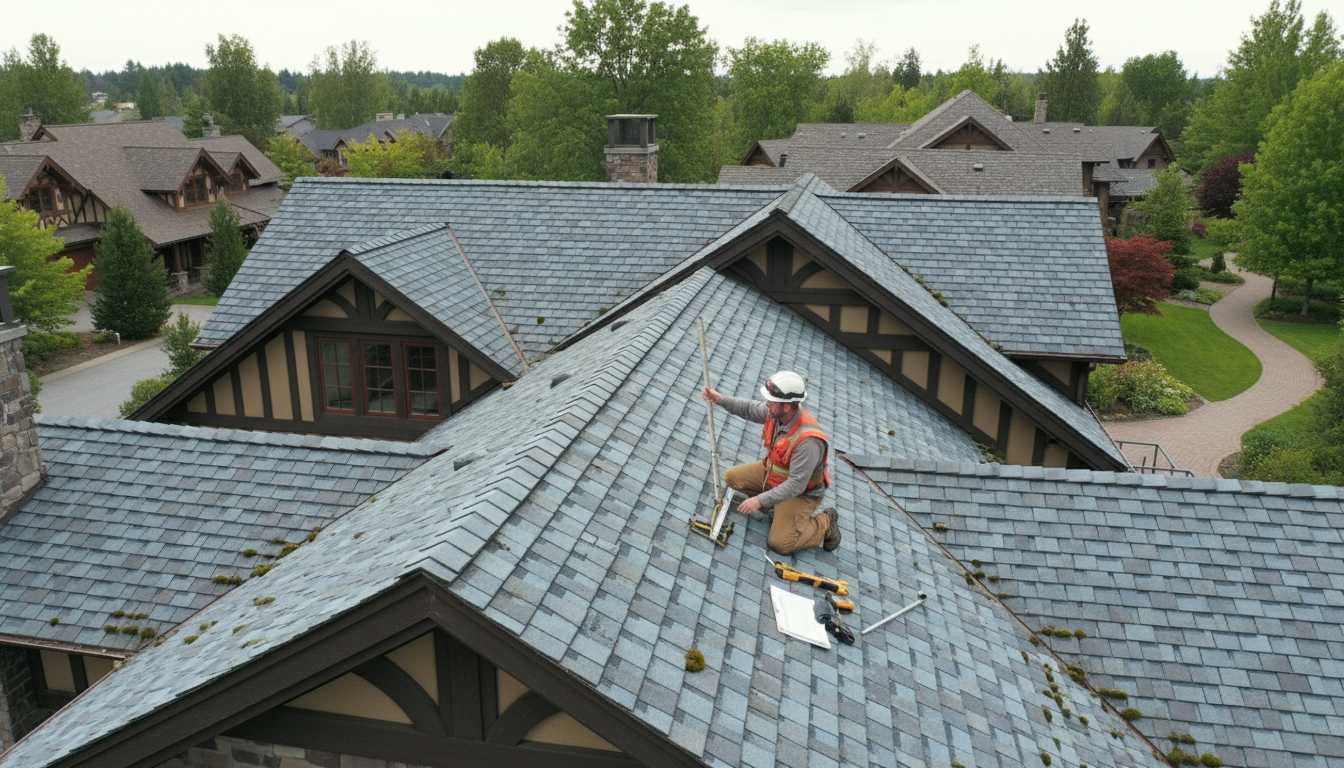
Pay special attention to areas around chimneys, vents, and valleys, as these are common spots for leaks. Identifying the problem accurately will guide you in choosing the right repair method.
Gathering Essential Tools and Materials
Once you’ve assessed the damage, gather the necessary tools and materials. Essential items include a ladder, roofing cement, a caulking gun, a hammer, and replacement shingles.
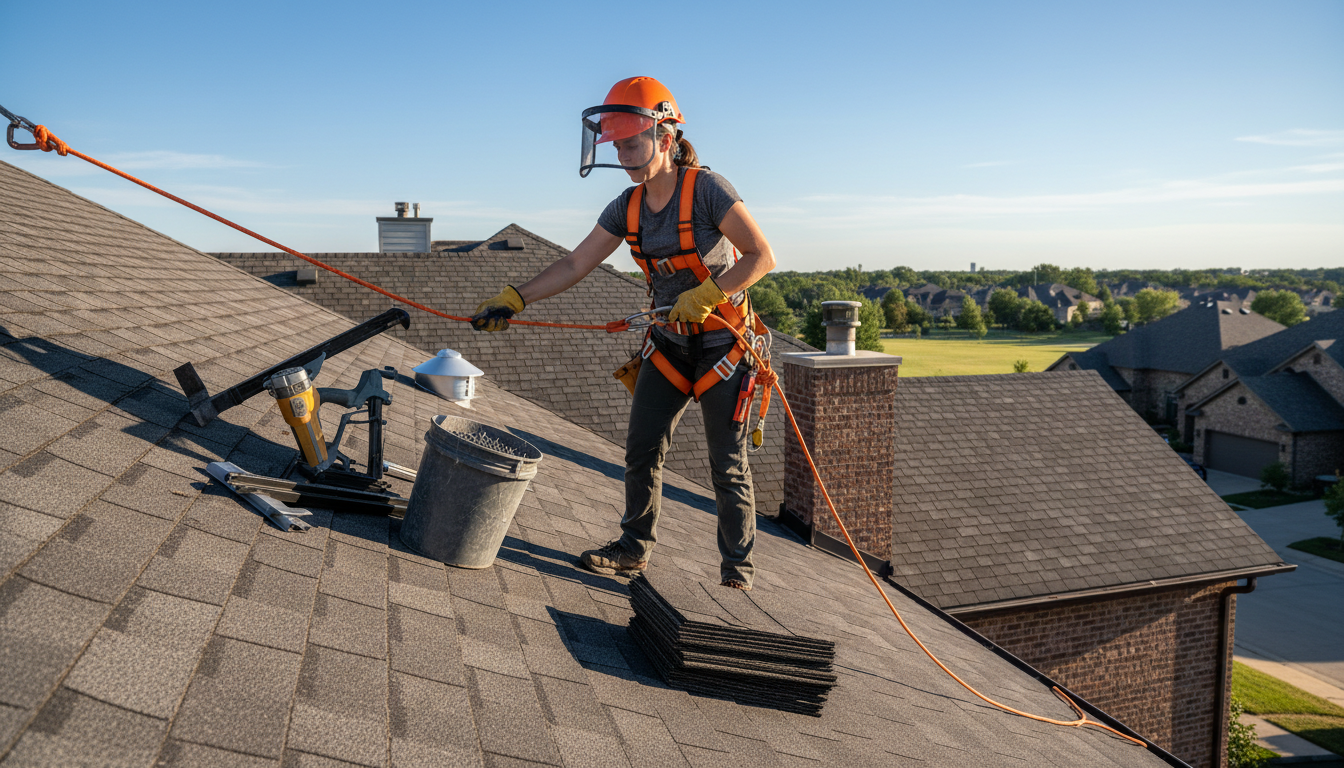
Ensure you have all your tools on hand before starting the repair to avoid constant trips up and down the ladder. Safety gear such as gloves and a helmet is also important to protect yourself during the repair process.
Choosing the Right Shingles
When selecting replacement shingles, match them as closely as possible to your existing roof. This ensures a uniform appearance and maintains the aesthetic of your home. Most hardware stores offer a wide range of shingles to choose from, so take a sample of your current shingles with you if possible.
Making the Repairs
Start by removing any damaged shingles. Use a pry bar to lift the shingles gently, avoiding damage to surrounding areas. Once removed, apply roofing cement to the area and slide the new shingle into place, securing it with roofing nails.
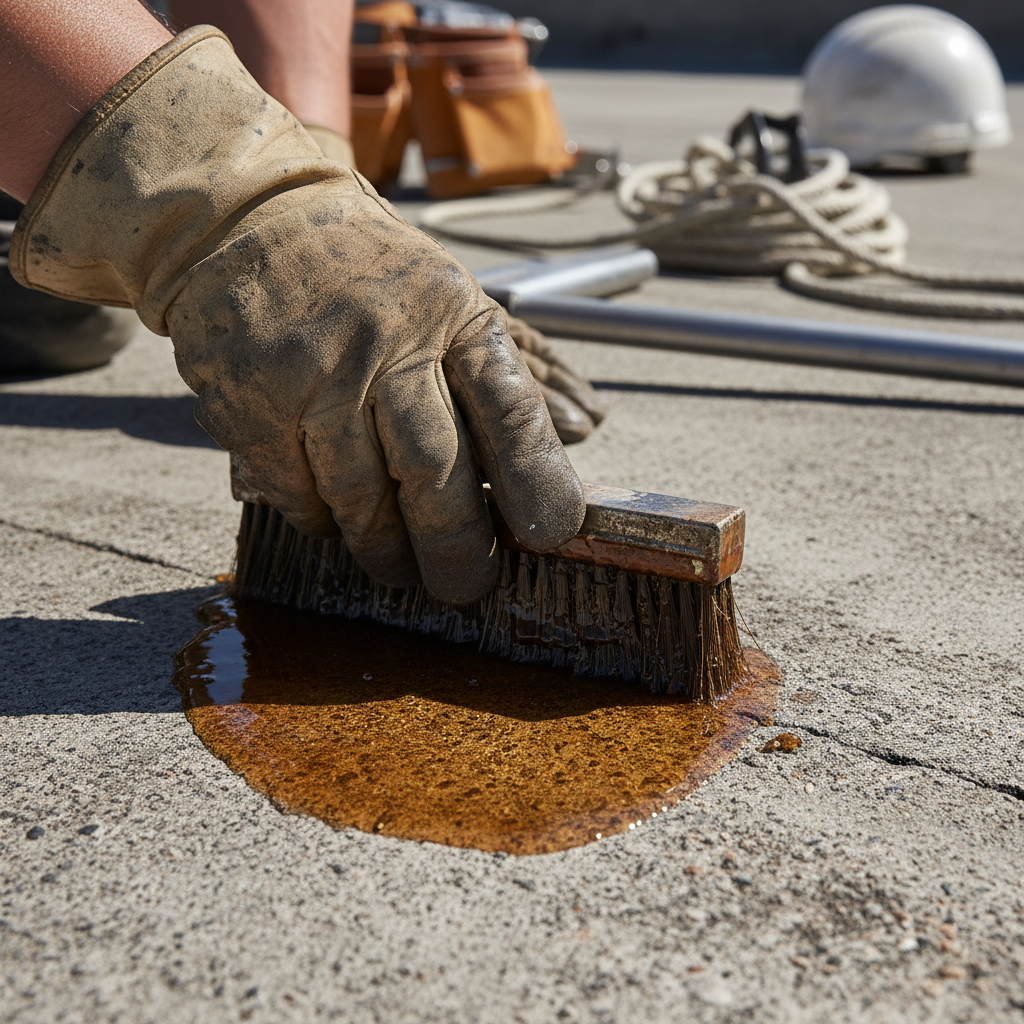
For small leaks, apply roofing cement around the edges of the shingles and other potential entry points for water. This creates a waterproof barrier, preventing further damage.
Fixing Minor Leaks
Minor leaks often require just a quick patch job. Use a caulking gun to apply roofing sealant to small cracks or holes. This is a simple yet effective solution for preventing water from seeping into your home.
Check your roof for any signs of mold or rot, as these may indicate a more serious underlying issue that needs professional attention.
Safety Tips for Roof Work
Safety should always be your top priority when working on a roof. Ensure your ladder is secure and placed on stable ground. Always work in dry conditions to prevent slipping, and avoid roof work during windy weather.
If you're uncomfortable with heights or the extent of the damage, don't hesitate to contact a professional. It's better to be safe than risk injury.
Regular Maintenance
Regular maintenance can prevent many roofing issues from developing. Clean gutters regularly, remove debris from your roof, and inspect it at least twice a year. This proactive approach helps extend the life of your roof and saves on costly repairs in the long run.
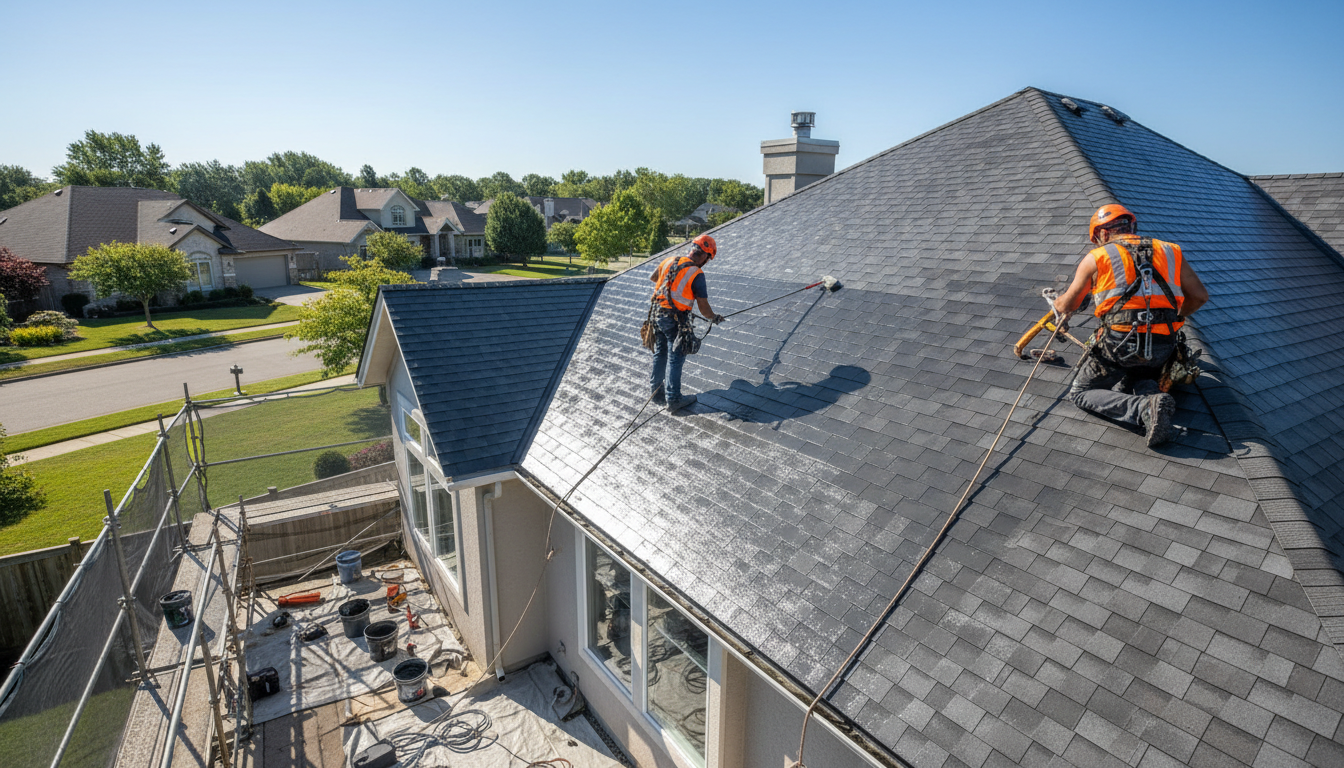
By following these DIY handyman tips, you can tackle small roof repairs with confidence, ensuring your home remains protected from the elements.