
DIY Handyman Tips: Easy Repairs You Can Do Before Calling a Pro


In the ever-evolving world of home maintenance, knowing when to tackle a project yourself and when to call in a professional can save you both time and money. With a few handy tips, you can address minor repairs around your home before enlisting expert help.
Fixing Leaky Faucets
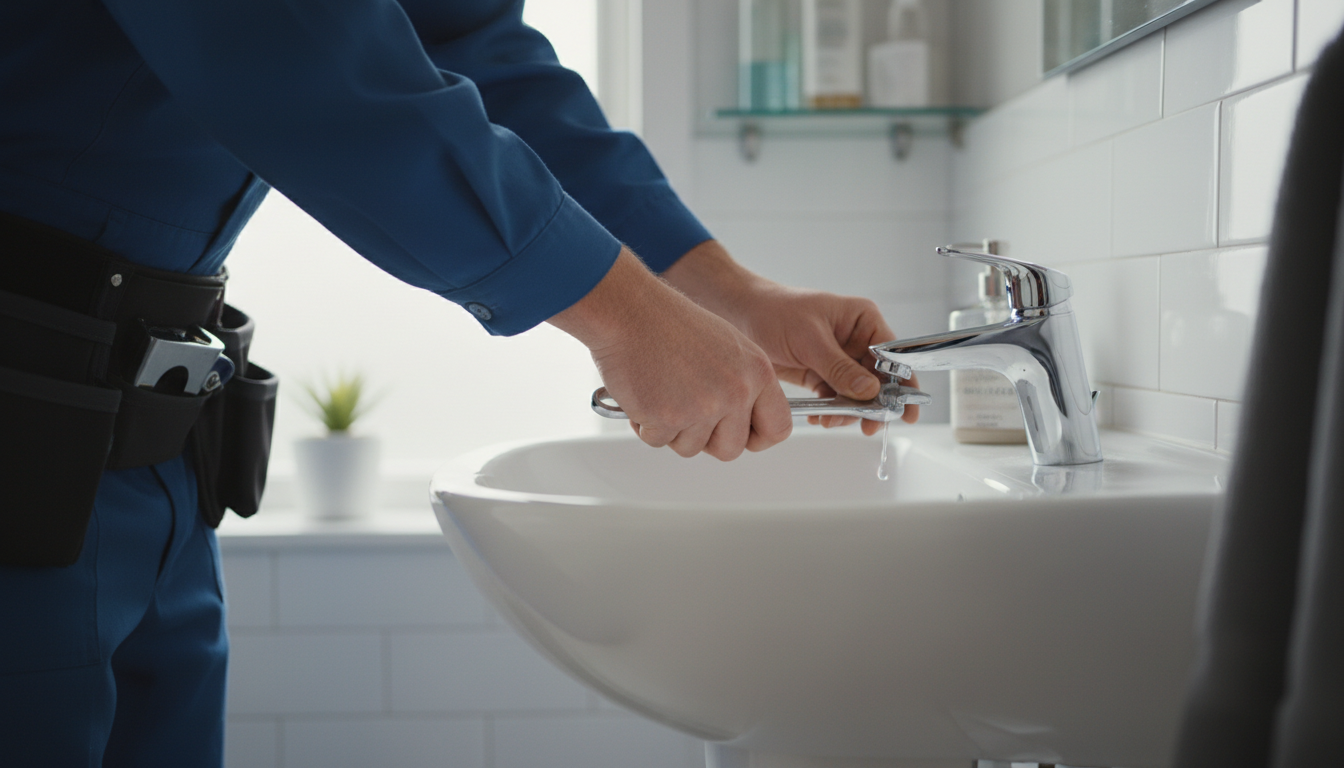
A leaky faucet isn’t just annoying; it can also lead to higher water bills. Fortunately, fixing a leaky faucet is a straightforward task that you can tackle yourself.
Start by turning off the water supply to the faucet. Remove the handle by unscrewing it and inspect the washer for wear and tear. Often, replacing the washer or O-ring is all it takes to stop the leak.
Tools You’ll Need
- Adjustable wrench
- Screwdriver
- Replacement washers or O-rings
Unclogging Drains
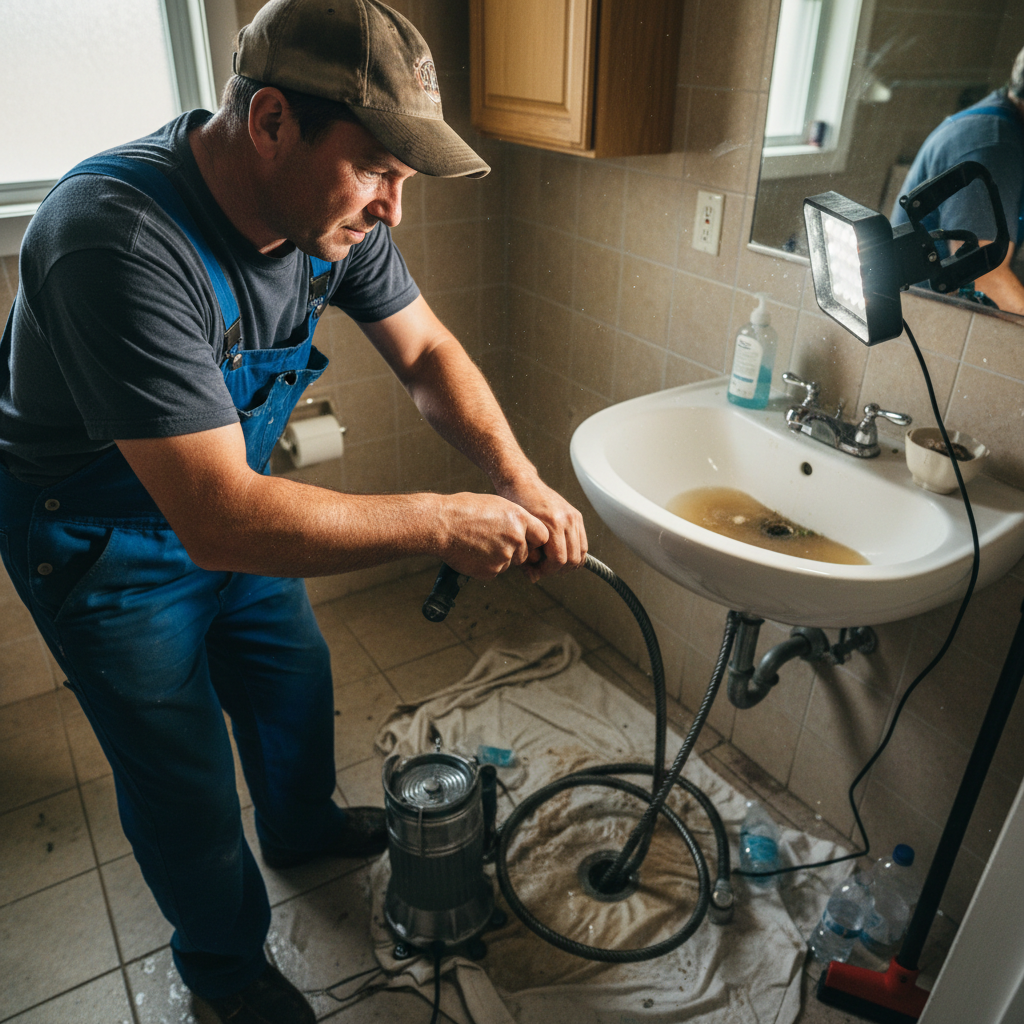
Clogged drains are a common household issue. Before reaching for harsh chemicals, try using a plunger or a plumbing snake. These tools can often clear the blockage without damaging your pipes.
For a natural solution, pour a mixture of baking soda and vinegar down the drain, followed by hot water. This can effectively break down minor clogs.
Preventive Measures
To prevent future clogs, consider using drain strainers and regularly cleaning them. Avoid pouring grease or coffee grounds down the sink, as they can contribute to blockages.
Repairing Drywall Holes
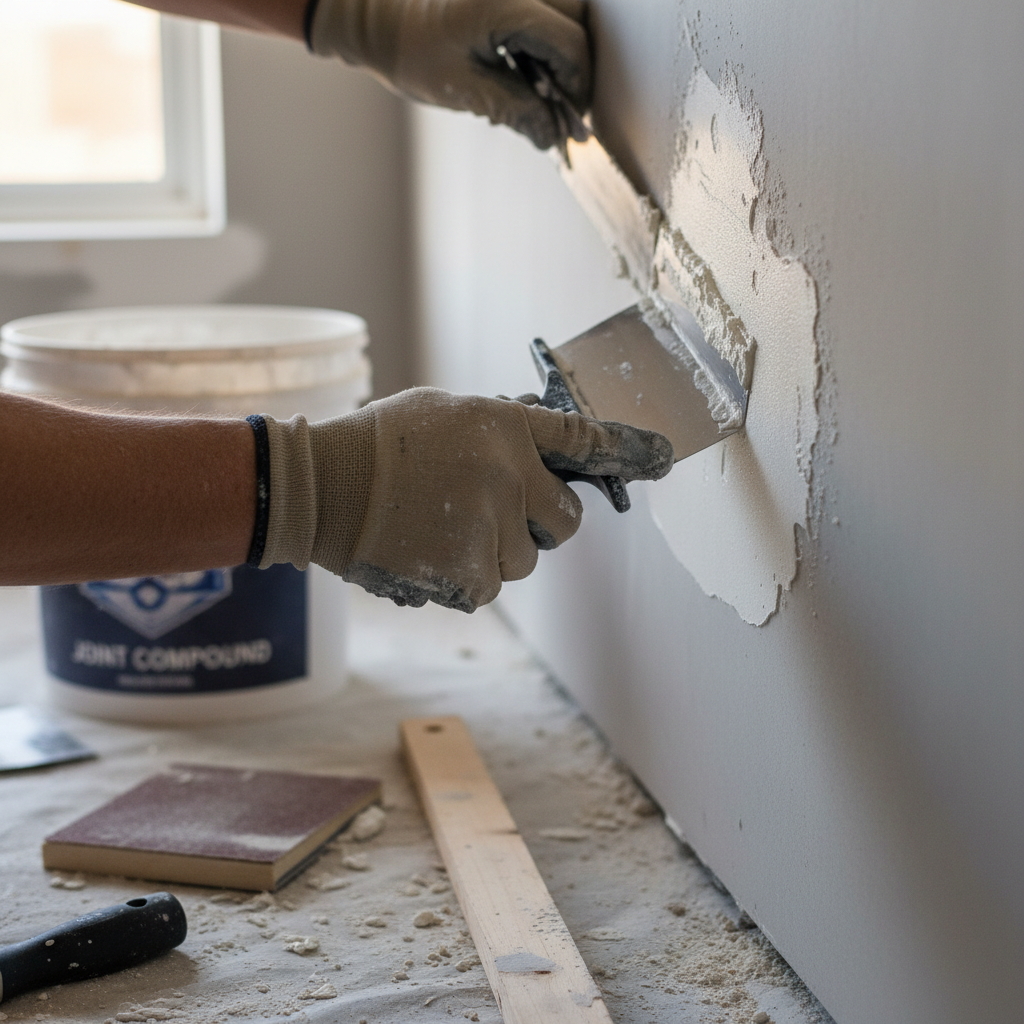
Small holes or dents in your drywall can be unsightly, but they’re easy to fix with a little patience. Begin by cleaning the area and applying a patch if the hole is large.
For smaller holes, apply spackle with a putty knife, then sand it smooth once it’s dry. Finish by painting over the repaired area to blend it with the rest of the wall.
Supplies Required
- Spackle or joint compound
- Putty knife
- Sandpaper
- Paint
Replacing Light Switches
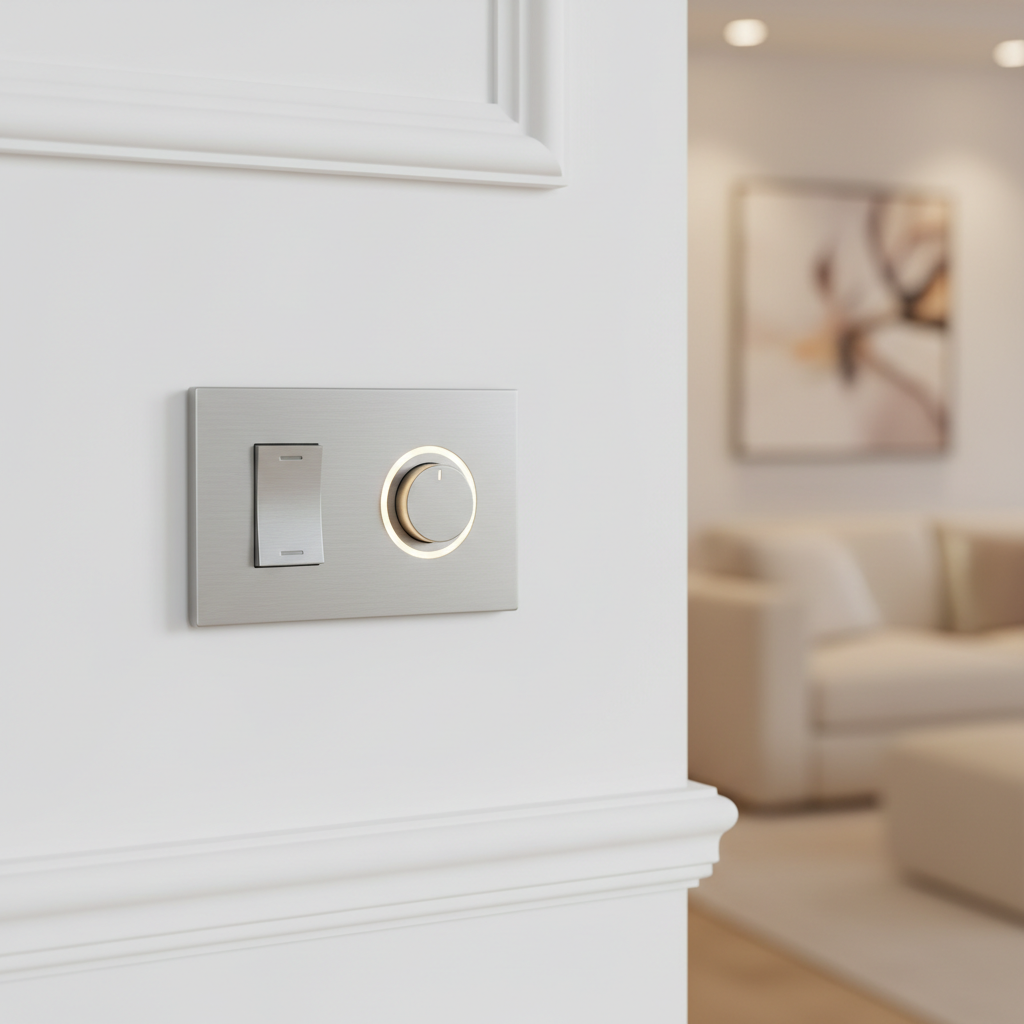
Replacing a faulty light switch is a simple electrical task that many homeowners can do themselves. Make sure to turn off the power at the circuit breaker before beginning.
Remove the faceplate and unscrew the existing switch. Connect the new switch using the same wiring configuration, then secure it back into the wall.
Safety First
Always verify the power is off using a voltage tester before touching any wires. If you’re unsure about working with electricity, it’s best to contact a professional.
By mastering these basic DIY repairs, you can maintain your home more efficiently and save money. However, if you encounter a repair that seems beyond your skill level, don’t hesitate to call a professional. Happy repairing!